
Peptides for Recovery: Can BPC-157 and TB-500 Help Support Healing?
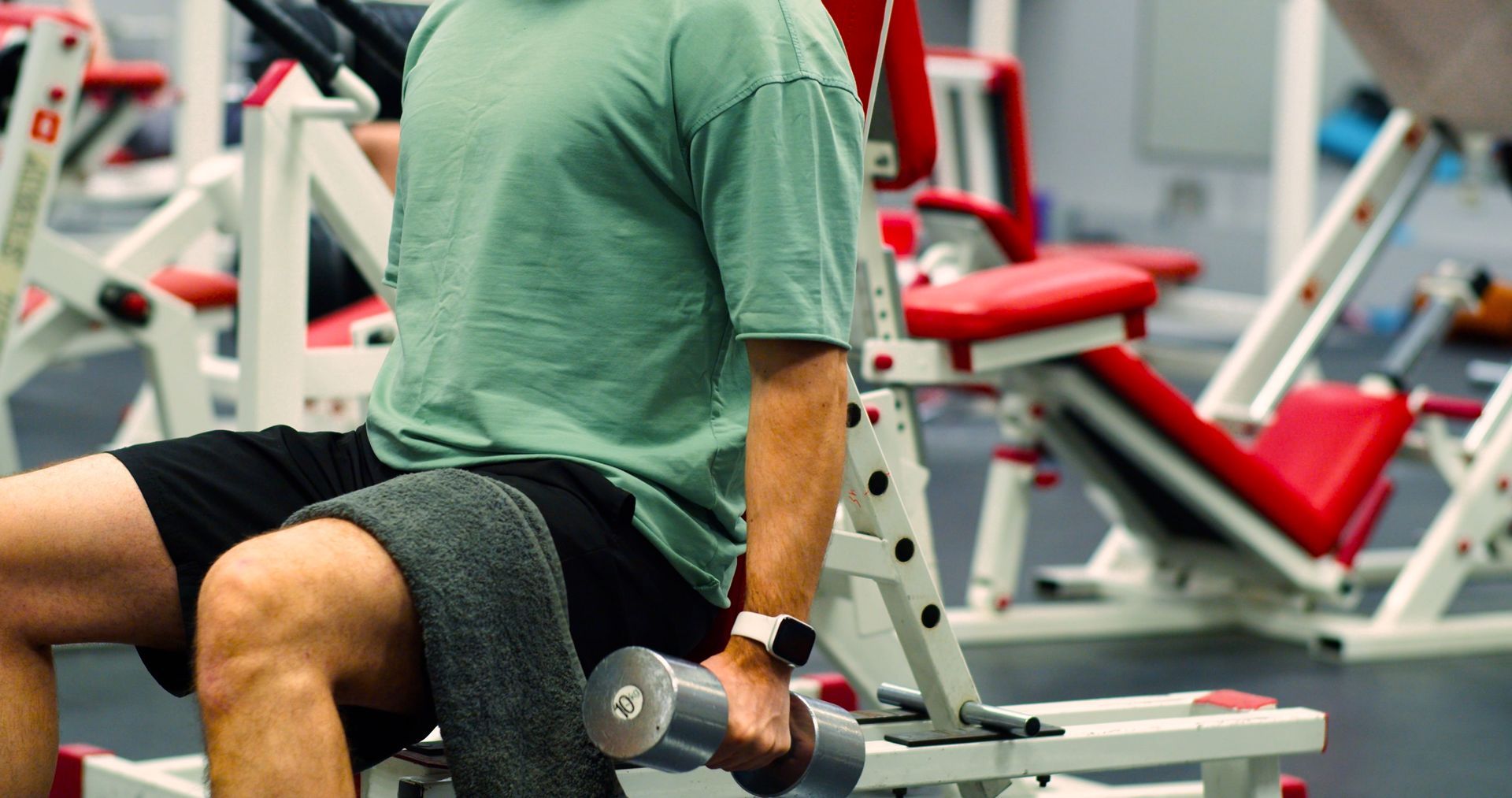
Whether you're recovering from an injury, dealing with persistent joint or tendon discomfort, or simply noticing it takes longer to bounce back after exercise than it used to, recovery plays a role in how active and healthy you feel.
While rest, rehabilitation, and proper nutrition remain essential, many people are looking for additional ways to support the body's natural healing process. That's where recovery peptides like BPC-157 and TB-500 have gained attention.
These peptides are commonly used as part of personalized wellness and regenerative medicine programs to support muscle, tendon, ligament, and joint health while promoting healthy recovery and inflammation management. For individuals who want to recover faster, stay active, and keep doing the activities they love, they may offer another tool to support the healing process.
What Are Recovery Peptides?
Recovery peptides are short chains of amino acids that act as signaling molecules within the body. Unlike medications designed to mask pain or simply reduce inflammation, these peptides are believed to support the body's natural repair processes.
While research is still ongoing, they have become increasingly popular among active adults, fitness enthusiasts, and individuals recovering from orthopedic injuries because of their potential to promote tissue healing.
How Do BPC-157 and TB-500 Support Recovery?
While BPC-157 and TB-500 are often discussed together, they are believed to support healing in different ways.
BPC-157 is a synthetic peptide derived from a protective protein naturally found in the stomach. Research suggests it may support the repair of tendons, ligaments, muscles, and other soft tissues by promoting blood vessel formation and encouraging healthy tissue regeneration. It has also been studied for its potential role in supporting a balanced inflammatory response during healing.
TB-500 is a synthetic version of a naturally occurring peptide fragment called thymosin beta-4. It is believed to help support cell migration and tissue remodeling, both of which play important roles in repairing injured muscles and connective tissues. Some research also suggests it may help improve flexibility and mobility during recovery.
Because these peptides may work through different biological pathways, some healthcare providers use them together as part of a personalized recovery plan.
Who May Benefit from Recovery Peptides?
Recovery peptides are often considered by people who want to heal more efficiently while maintaining an active lifestyle.
You may be a candidate if you're looking to:
- Recover faster after exercise
- Stay active despite minor aches and pains
- Support healthy joints, tendons, and muscles
- Help manage inflammation as your body heals
- Bounce back after workouts
- Support recovery following a sports injury
- Recover from tendon or ligament strains
- Improve recovery after orthopedic procedures
Recovery naturally slows with age, repetitive movement, and accumulated wear and tear. Supporting the body's healing process may help you return to normal activities with greater confidence and comfort.
What Types of Injuries Do Recovery Peptides Help Support?
Recovery peptides are often considered by individuals looking to support healing from injuries that affect soft tissues and joints.
Some of the most common situations include:
- Tendon injuries
- Ligament sprains
- Muscle strains
- Rotator cuff injuries
- Overuse injuries
- Joint discomfort
- Recovery after orthopedic procedures
- Exercise-related muscle soreness
- Chronic inflammation affecting mobility
Every injury is different, and peptide therapy should not replace appropriate medical evaluation or rehabilitation. Instead, it may serve as one component of a comprehensive treatment plan designed to support recovery and help patients return to normal activity more comfortably.
Can Peptides Help Reduce Inflammation After an Injury?
Inflammation is a necessary part of healing, but it isn't meant to last forever.
Immediately after an injury, the body creates inflammation to begin repairing damaged tissue. However, when inflammation persists longer than necessary, it can contribute to prolonged discomfort and delayed recovery.
Rather than simply suppressing inflammation, BPC-157 and TB-500 are believed to support the body's normal healing processes. By encouraging tissue repair, healthy blood flow, and cellular regeneration, these peptides may help the body resolve inflammation more efficiently as healing progresses.
This is one reason these peptides have become increasingly popular among individuals seeking regenerative therapies rather than simply treating symptoms.
Is Recovery Peptide Therapy Right for You?
Recovery looks different for everyone. The right treatment depends on the type of injury, the tissues involved, your activity level, and your overall health.
If you're frustrated by nagging aches, recurring injuries, lingering inflammation, or slower recovery than you once experienced, peptide therapy may be worth exploring.
At Rejuvime Medical, BPC-157 and TB-500 are offered as part of individualized treatment plans designed to support healing, joint health, muscle recovery, and long-term mobility. Before treatment begins, our providers perform a comprehensive evaluation to determine whether peptide therapy is appropriate based on your health history, symptoms, and recovery goals.
If you're ready to improve recovery and get back to doing the activities you enjoy, schedule a consultation with our team to learn whether peptide therapy may be right for you.
Get in Touch
Questions? Contact us today by phone or book an appointment online.
Questions? Call our office:
(225) 228-3128