What Helps Women Build Muscle After Menopause?
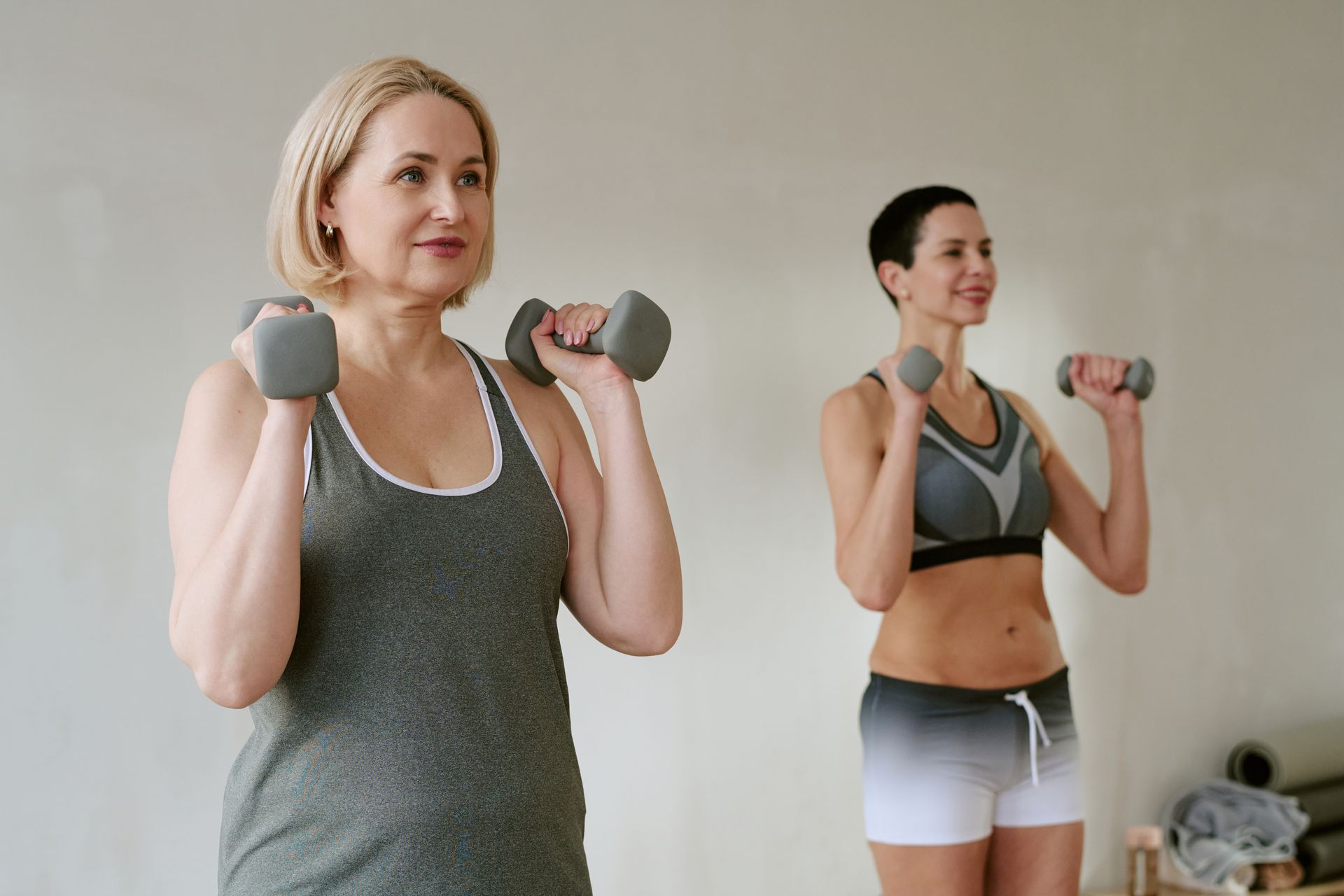
Building muscle after menopause is possible. The most effective approach combines progressive strength training, adequate protein, quality sleep, recovery, and attention to your health.
During perimenopause and menopause, hormonal changes, disrupted sleep, changes in body composition, and slower recovery can make it harder to get the same results from exercise. That does not mean your metabolism is permanently damaged or that it is too late to become stronger.
On an episode of The Consult Before the Cut, Dr. Jonathan Weiler and physician assistant and expert injector Taylor Bech spoke with Baton Rouge-based certified menopause fitness coach, glute-training specialist, and former IFBB Bikini Pro Wanda Mayeux about strength training, recovery, protein, and hormone health during menopause.
Mayeux’s own experience demonstrates that women can make significant changes later in life. She did not begin lifting weights until age 49. Within her first year of bodybuilding, she qualified for national competition and later competed professionally.
Why Can Building Muscle After Menopause Feel More Difficult?
Building muscle after menopause can feel more difficult because hormonal changes, sleep disruption, slower recovery, and age-related muscle loss can affect how your body responds to exercise.
The goal is not to exercise harder as your body changes. It is to build a sustainable fitness plan that supports your current needs.
Is It Too Late to Build Muscle After Age 60?
It is possible to build muscle after age 60 because muscles can continue adapting to progressive resistance training throughout adulthood.
You do not need a history of bodybuilding or athletic competition to benefit from strength training. A program can begin with bodyweight exercises, resistance bands, machines, or light dumbbells before gradually progressing to greater resistance.
Why Is Strength Training Important During Menopause?
Strength training during menopause helps preserve the muscle needed for movement, stability, and long-term independence.
Muscle supports everyday activities such as getting out of a chair, climbing stairs, carrying groceries, getting down to the floor, and standing back up.
The glutes are particularly important because they contribute to many everyday movements. For more information, explore our guide to glute strength for women over 40.
Will Lifting Weights Make Women Look Bulky?
Lifting weights will not automatically make women bulky. Developing a highly muscular physique typically requires years of consistent, specialized training and nutrition.
Fear of becoming too muscular can keep women from strength training, but resistance exercise can support many different goals, including greater strength, improved mobility, healthier body composition, and increased muscle definition.
Mayeux began as an endurance-focused athlete who concentrated on running, biking, and calorie-burning exercise. Strength training eventually helped her recognize the importance of developing a stronger, more balanced physique.
You do not have to train like a competitive bodybuilder to benefit from lifting weights.
How Often Should Women Strength Train After Menopause?
Many women can start with two or three full-body strength-training sessions per week, although the ideal frequency depends on fitness level, health history, recovery, and goals.
Allowing adequate recovery between sessions can help muscles repair and reduce unnecessary fatigue.
If you are new to strength training, have significant joint pain, or have a history of injury, consider working with a qualified fitness professional or physical therapist. Stop exercising and seek appropriate medical evaluation if you experience sharp, persistent, or worsening pain.
Does Cardio Help With Menopause Weight Gain?
Cardio can support cardiovascular health and energy expenditure, but it should complement strength training rather than replace resistance exercise.
Some women respond to changes in body composition by exercising longer or focusing heavily on calorie burning. A more balanced approach can include:
- Regular strength training
- Moderate cardiovascular exercise
- Daily movement
- Adequate protein and overall nutrition
- Sufficient recovery
- Consistent sleep
The most effective exercise routine is one you can perform consistently while supporting your strength, energy, and overall health.
How Much Protein Do Women Need to Build Muscle After Menopause?
Women need adequate protein to support muscle maintenance and recovery, but individual protein needs vary based on factors such as body size, activity level, health history, and overall nutrition.
Protein sources can include poultry, fish, eggs, dairy products, lean meats, legumes, and other whole foods. Protein shakes can also be a convenient option when meeting protein needs through food is difficult.
A protein shake is not required to build muscle and is not exclusively for bodybuilders. It is simply one way to supplement your overall protein intake.
Why Does Sleep Matter for Building Muscle After Menopause?
Adequate sleep during menopause supports exercise recovery, energy, motivation, and the consistency needed to build strength.
Poor or disrupted sleep can make workouts feel more difficult and may interfere with recovery. If you are consistently exhausted or frustrated by a lack of progress, sleep is an important factor to consider alongside your exercise and nutrition habits.
Alcohol can also affect sleep quality. Although it may initially make you feel sleepy, alcohol can contribute to more disrupted sleep later in the night.
Improving sleep does not guarantee a specific body composition result, but it provides a stronger foundation for training, recovery, and overall wellness.
Can Hormone Changes Affect Muscle, Energy, and Exercise Recovery?
Hormonal changes during menopause may affect energy, sleep, body composition, and physical performance, but these symptoms can have multiple causes.
Fatigue, hair thinning, sleep problems, and changes in body composition may also be related to nutritional deficiencies, thyroid conditions, stress, illness, or medication effects.
Persistent or unexplained symptoms may warrant further evaluation rather than being dismissed as an unavoidable part of aging.
Hormone lab testing can help a qualified provider evaluate symptoms within the context of your health history. Laboratory results should be interpreted by a healthcare professional rather than viewed in isolation.
Can Hormone Replacement Therapy Help Women Build Muscle After Menopause?
Hormone replacement therapy is not a substitute for strength training, nutrition, sleep, or recovery, but it may be appropriate for some women as part of a broader menopause treatment plan.
Hormone therapy should be considered based on a woman's symptoms, health history, goals, and potential risks. It is not appropriate for every patient and should not be used solely as a shortcut for changing body composition.
At Rejuvime Medical, providers consider symptoms, health history, and other relevant factors rather than focusing on a single laboratory result. This may include symptoms such as sleep changes, low energy, mood changes, libido concerns, and changes in body composition or exercise recovery.
When clinically appropriate, a provider may discuss options such as estrogen therapy or other personalized treatments. Healthy exercise and lifestyle habits remain important regardless of whether hormone therapy is part of a treatment plan.
For more information, explore menopause and female aging.
How Long Does It Take to See Results From Menopause Strength Training?
You may begin to notice improvements in strength within several weeks, while visible changes in muscle and body composition generally take longer.
The scale should not be your only measure of progress. Building muscle while losing fat can change how your body looks and feels without significantly changing your total body weight.
Consider tracking:
- Strength improvements
- Progress photos taken several weeks apart
- Changes in how clothing fits
- Improved balance or mobility
- Exercise recovery
- Energy levels
- Confidence during daily activities
Comparing progress over several months can be more meaningful because gradual changes are difficult to recognize from day to day.
What Is the Best Way to Start Building Muscle After Menopause?
The best way to start building muscle after menopause is to establish a safe, sustainable strength-training routine while addressing any health factors that may affect energy or recovery.
A practical starting plan includes:
- Strength train two or three times per week.
- Focus on major muscle groups.
- Start with manageable resistance and prioritize proper form.
- Increase resistance gradually as exercises become easier.
- Eat adequate protein and prioritize a balanced, sustainable approach to nutrition.
- Allow time for rest and recovery.
- Prioritize consistent sleep.
- Use cardio to support cardiovascular health rather than focusing solely on calorie burning.
- Track strength, energy, mobility, and body measurements in addition to weight.
Where Can Women in Louisiana and Mississippi Get Help With Menopause Symptoms?
Women in Louisiana and Mississippi can receive menopause and hormone evaluations at Rejuvime Medical locations throughout the region.
If menopause symptoms are affecting how you feel, a provider can review your health history, order appropriate lab work, and discuss treatment options based on your individual needs.
Explore Rejuvime Medical locations to find a clinic near Baton Rouge, Lafayette, New Orleans, Shreveport, the Northshore, or the Mississippi Gulf Coast.
Ready to better understand what is changing in your body? Request a consultation with Rejuvime Medical to take the first step toward a personalized plan for healthier aging.
You can also listen to the full
Consult Before the Cut episode, “Muscle After Menopause: How Women Can Build Strength & Burn Fat,” for more of Wanda Mayeux’s strength-training and menopause insights.
Get in Touch
Questions? Contact us today by phone or book an appointment online.
Questions? Call our office:
(225) 228-3128