
Perimenopause or Thyroid? How Providers Sort Out Weight Gain, Fatigue, Hair Loss & Brain Fog
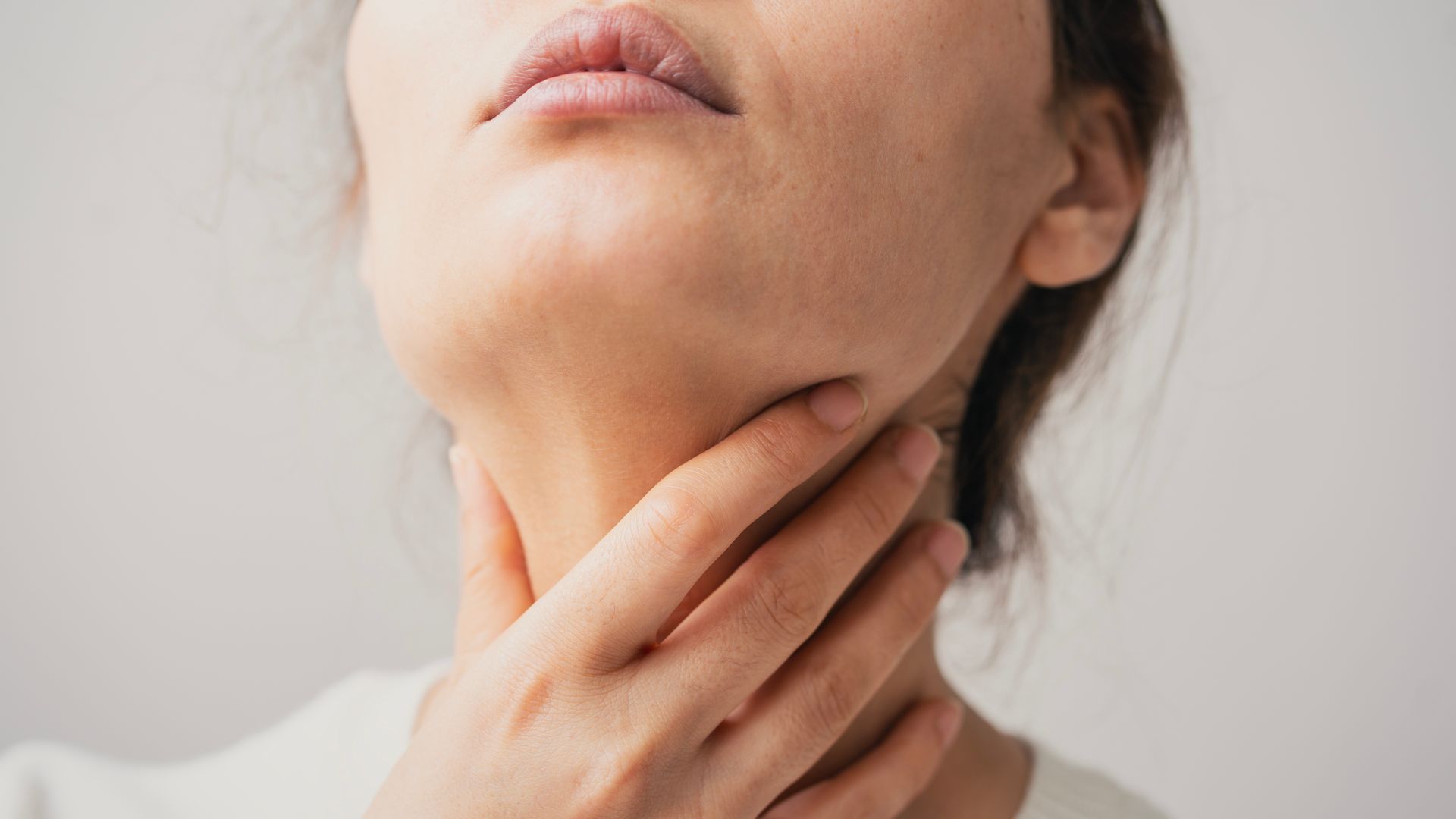
Weight gain, fatigue, hair loss, and brain fog can occur during perimenopause, with thyroid dysfunction, or sometimes with both. Because the symptoms overlap, determining what is behind them often requires looking at the full picture, including your age, menstrual changes, other symptoms, health history, and appropriate lab testing.
At Rejuvime Medical, our nurse practitioners work with women throughout Louisiana and Mississippi to evaluate symptoms in context rather than focusing on a single number or assuming hormones are always the cause. Understanding whether symptoms are related to the menopause transition, thyroid function, or another health factor can help guide the next steps in care.
Can Perimenopause and Thyroid Problems Cause the Same Symptoms?
Yes, perimenopause and thyroid disorders can cause several overlapping symptoms, including fatigue, weight changes, difficulty concentrating, mood changes, and hair concerns.
Perimenopause is the transition leading up to menopause, when ovarian hormone production begins to fluctuate. Changes in estrogen and progesterone can contribute to symptoms that affect sleep, mood, cognition, menstrual cycles, and overall well-being.
An underactive thyroid, or hypothyroidism, can also cause fatigue, weight gain, hair loss, menstrual changes, constipation, cold intolerance, and difficulty concentrating. Because many of these symptoms are nonspecific, experiencing one or even several does not automatically identify the cause.
What Symptoms Are More Common With Perimenopause?
Changes in menstrual cycles, hot flashes, night sweats, and other menopause-related symptoms can provide important clues that perimenopause may be contributing to how you feel.
Perimenopause often begins with changes in menstrual patterns. Periods may become shorter, longer, heavier, lighter, or less predictable as hormone levels fluctuate.
Women may also experience:
- Hot flashes or night sweats
- Difficulty sleeping
- Mood changes or irritability
- Changes in sexual desire
- Vaginal dryness
- Difficulty concentrating or brain fog
Not every woman experiences the same symptoms, and symptoms can change throughout the menopause transition.
If these changes are affecting your quality of life, learning more about hormone replacement therapy for women can help you understand the treatment options that may be considered after an appropriate evaluation.
What Symptoms May Point to a Thyroid Problem?
Persistent fatigue, unexplained weight gain, cold intolerance, constipation, dry skin, and hair loss are among the symptoms that can occur with an underactive thyroid.
The thyroid produces hormones that help regulate metabolism and influence functions throughout the body. When thyroid hormone production is too low, many body processes can slow down.
Hypothyroidism may be associated with:
- Feeling unusually cold
- Constipation
- Dry skin
- Hair thinning or hair loss
- Muscle aches or weakness
- Persistent fatigue
These symptoms are not exclusive to thyroid disease. The American Thyroid Association notes that other health problems can cause many of the same complaints, which is why blood testing is used to determine whether hypothyroidism is actually present.
For a closer look at how thyroid function can change with age, read our article on thyroid function and aging.
Is Weight Gain From Perimenopause or Your Thyroid?
Weight gain during midlife can have multiple contributors, so it should not automatically be attributed to either perimenopause or the thyroid.
The menopause transition is associated with changes in body composition and fat distribution, while aging, sleep, physical activity, nutrition, medications, and metabolic health can also influence weight.
Hypothyroidism can contribute to weight gain because thyroid hormones play an important role in regulating metabolism. But weight gain by itself is not enough to diagnose a thyroid disorder.
The pattern of weight changes may offer additional context. During perimenopause, women may notice more abdominal fat even without substantial weight gain. Hypothyroidism can cause modest weight gain, partly related to fluid retention, but significant or rapid weight gain should prompt evaluation for other possible causes.
Is Hair Loss Caused by Perimenopause or Thyroid Problems?
Hair thinning can occur during midlife for several reasons, including hormonal changes and thyroid dysfunction, which means the pattern and timing of hair loss matter.
Women may notice changes in hair density or texture around the menopause transition. Thyroid dysfunction can also contribute to hair loss or thinning.
But hormones and thyroid function are not the only possible factors. Nutrition, stress, rapid weight loss, certain medications, genetics, and other medical conditions can also affect hair growth.
If hair loss is persistent, sudden, or accompanied by other symptoms, a broader evaluation may be appropriate rather than assuming it is simply part of aging.
Is Brain Fog a Symptom of Perimenopause or Hypothyroidism?
Difficulty concentrating and forgetfulness can occur with both the menopause transition and hypothyroidism, but sleep and other health factors may also contribute.
“Brain fog” is not a specific diagnosis. Women often use the term to describe difficulty concentrating, losing their train of thought, forgetfulness, or feeling less mentally sharp than usual.
During perimenopause, sleep disruption, night sweats, stress, and hormonal changes may all influence cognitive symptoms. Low thyroid hormone levels can also be associated with forgetfulness and difficulty thinking clearly.
The timing of cognitive changes, sleep quality, and results of any indicated thyroid testing can help providers identify potential contributing factors.
How Do Providers Tell the Difference Between Perimenopause and Thyroid Problems?
Providers distinguish between perimenopause and thyroid problems by combining your symptoms and health history with a physical assessment and targeted laboratory testing when appropriate.
The evaluation may include questions about:
- Changes in your menstrual cycle
- Hot flashes or night sweats
- Sleep quality
- Weight or body composition changes
- Hair and skin changes
- Energy levels
- Mood and concentration
- Medications and supplements
- Personal and family medical history
Age and menstrual history can be particularly useful when evaluating perimenopause. In many women over 45, perimenopause can be identified clinically based on symptoms and menstrual changes rather than relying on a single reproductive hormone test.
Thyroid dysfunction, however, is evaluated with blood testing. TSH and free T4 are commonly used when assessing suspected hypothyroidism.
At Rejuvime Medical, hormone and thyroid lab testing can provide additional information that providers consider alongside your symptoms and medical history.
"When women come in with fatigue, weight changes, or brain fog, we don't want to assume the cause is perimenopause or a thyroid problem based on symptoms alone. Looking at menstrual history, other symptoms, and appropriate testing helps us determine what may actually be contributing." Claudia Guepet, FNP-C
Why Isn't One Hormone Test Enough to Diagnose Perimenopause?
A single hormone test cannot reliably diagnose perimenopause because estrogen and other reproductive hormone levels fluctuate throughout the menopause transition.
For most women over 45, providers rely primarily on symptoms and menstrual history rather than a single estrogen or FSH measurement. Testing may be appropriate in certain circumstances, including suspected early menopause or when another condition needs evaluation.
Can You Have Perimenopause and a Thyroid Condition at the Same Time?
Yes, experiencing perimenopause does not rule out thyroid disease, and having a thyroid condition does not prevent someone from experiencing symptoms related to the menopause transition.
This distinction matters because treating one issue may not necessarily address every symptom.
For example, a woman experiencing irregular periods, hot flashes, fatigue, and hair thinning may have symptoms consistent with the menopause transition, but persistent fatigue or hair loss could still warrant evaluation for thyroid dysfunction or another contributing factor.
When Should You Have Your Hormones and Thyroid Checked?
If fatigue, weight changes, hair loss, brain fog, menstrual changes, or other symptoms are persistent or interfering with daily life, it may be worth discussing them with a healthcare provider.
A provider can help determine which testing is appropriate based on your symptoms, age, health history, and current medications.
At Rejuvime Medical, the evaluation process includes initial blood work, a review of your results, and a personalized discussion about potential treatment options. You can learn more about how Rejuvime's hormone treatment process works before scheduling your visit.
Where Can Women in Louisiana and Mississippi Get Evaluated for Hormone and Thyroid Concerns?
Rejuvime Medical provides hormone optimization, thyroid evaluation, and wellness services at locations throughout Louisiana.
With locations serving communities in Louisiana and Mississippi, women across the Gulf Coast can access an evaluation closer to home.
Wondering whether your symptoms are related to perimenopause, thyroid function, or another health concern?
Request a consultation with Rejuvime Medical to discuss your symptoms and appropriate testing with one of
our providers.
Get in Touch
Questions? Contact us today by phone or book an appointment online.
Questions? Call our office:
(225) 228-3128