
Hair Loss on GLP-1 Medications
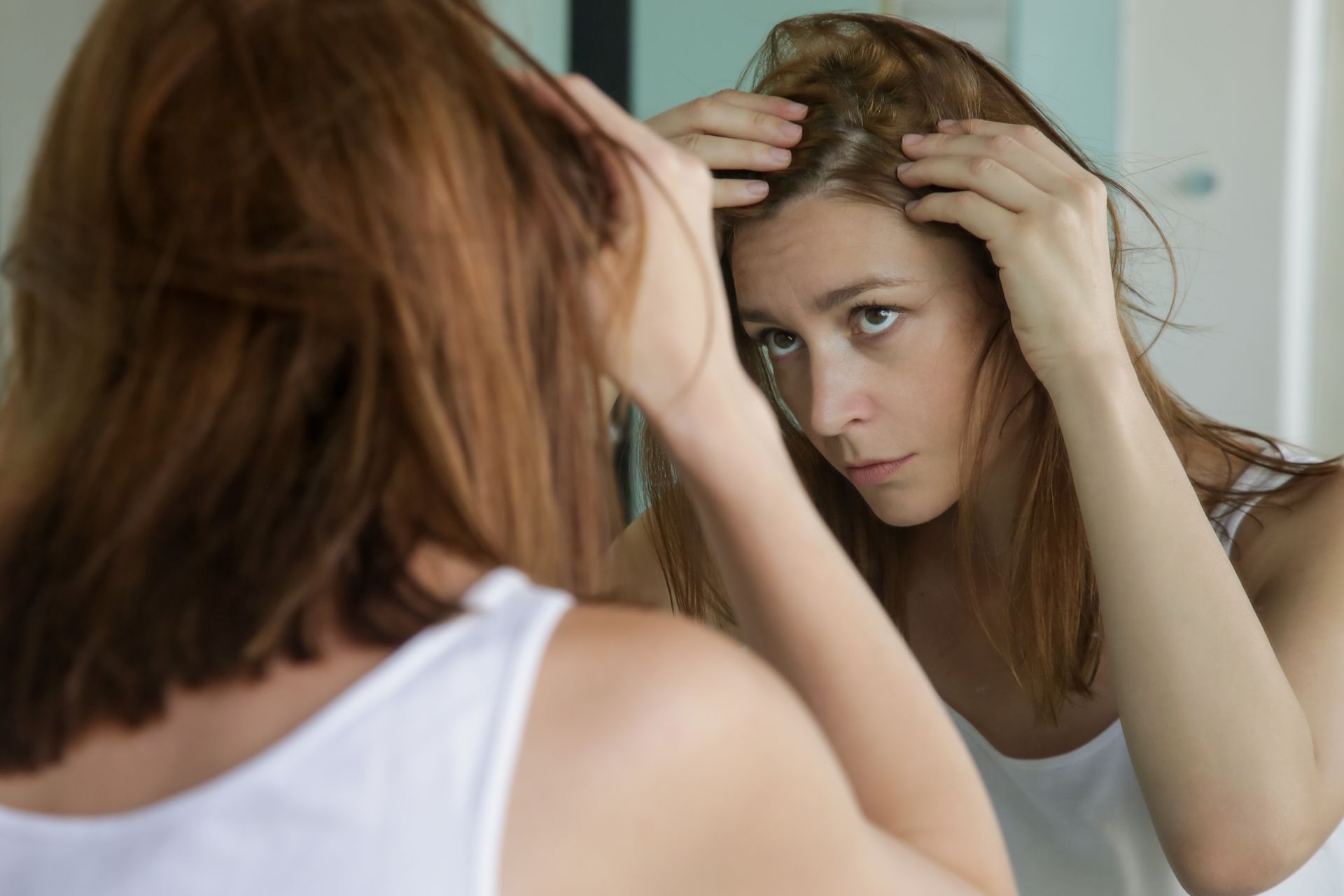
Hair loss during GLP-1 treatment may be related to rapid or significant weight loss, nutritional changes, the medication itself, an underlying medical or hormonal issue, or a combination of factors.
If you are taking a GLP-1 medication such as Wegovy® (semaglutide) or Zepbound® (tirzepatide) and have noticed more hair in your brush or shower drain, you are not alone. Hair shedding can occur during significant weight loss, but the cause may be more complex than simply attributing it to the medication.
Weight loss can affect the hair-growth cycle, while changes in calorie and nutrient intake, hormonal factors, stress, and underlying health conditions may also contribute.
At Rejuvime Medical, our providers medically manage weight loss while also evaluating concerns such as hair thinning and hair loss. Understanding why your hair is shedding is an important first step in determining whether changes to your weight-loss plan, nutrition, or other treatment may be appropriate.
Can GLP-1 Medications Cause Hair Loss?
Hair loss has been reported by some patients using GLP-1 weight-loss medications, but the medication itself may not be the direct cause.
The current FDA prescribing information for Wegovy lists hair loss among adverse reactions observed during clinical trials. In pooled adult weight-reduction trials, hair loss was reported in 3.3% of patients receiving Wegovy compared with 1% receiving placebo, and the prescribing information notes that these reactions were associated with weight reduction. This suggests that, for at least some patients, weight loss itself may play an important role in hair shedding.
Other GLP-1 and related medications may have different adverse-event profiles, so any new or worsening hair loss should be discussed with the provider managing your treatment rather than assuming that every medication affects hair in the same way.
Is Rapid Weight Loss Causing My Hair Shedding?
Rapid or significant weight loss can trigger temporary hair shedding by disrupting the normal hair-growth cycle.
One possible explanation is telogen effluvium, a type of temporary, diffuse hair shedding that can occur after significant physical or emotional stress. It can occur after substantial weight loss, illness, surgery, hormonal changes, nutritional deficiencies, or other stressors.
Hair follicles normally cycle through periods of growth and rest. A physical stressor can cause more hairs than usual to enter the resting phase. Those hairs may then shed several months later, making the cause difficult to recognize.
For someone using a GLP-1 medication, the sequence might look something like this:
- GLP-1 treatment reduces appetite and helps support weight loss.
- Calorie intake decreases, and body weight begins changing.
- The body experiences significant metabolic or nutritional changes.
- Several months later, increased hair shedding becomes noticeable.
That delayed response is one reason someone may suddenly notice hair loss even after successfully using their medication for some time.
Can Eating Less on a GLP-1 Affect My Hair?
Inadequate intake of calories, protein, vitamins, or minerals while on a GLP-1 may contribute to hair shedding in some patients.
GLP-1 medications can significantly reduce appetite. That effect can be helpful for weight management, but eating substantially less also makes the quality of your diet especially important.
When nutritional intake becomes inadequate, the body may prioritize essential physiological functions over processes such as hair growth.
Depending on the individual, a medical provider may consider factors such as:
- Overall calorie intake
- Protein intake
- Iron status
- Vitamin and mineral deficiencies
- The rate and amount of weight loss
The goal should not simply be to lose weight as quickly as possible. A medically managed program should consider your overall health throughout the process.
Is GLP-1 Hair Loss Permanent?
Hair shedding associated with rapid weight loss or telogen effluvium is often temporary, but hair loss during GLP-1 treatment can have other causes.
If a temporary stressor triggered the shedding, the hair-growth cycle may gradually normalize once that stressor resolves. However, regrowth takes time because hair grows in cycles rather than immediately replacing every strand that is shed.
Some patients may also have an underlying form of hair loss that becomes more noticeable during weight loss.
For example, someone who already has genetic or hormone-related hair thinning may notice it more once increased shedding begins. Hair loss can also occur independently of GLP-1 treatment, which is why persistent or significant changes warrant closer attention.
Rather than assuming the problem will resolve on its own, a provider can help determine whether the pattern looks consistent with temporary shedding or whether another potential cause should be evaluated.
Should I Stop My GLP-1 Medication If My Hair Is Thinning?
You should not stop or change a prescribed GLP-1 medication solely because of hair shedding without first discussing it with the healthcare provider managing your treatment.
Stopping the medication may not address the actual cause of the hair loss.
Your provider can instead look at the bigger picture, including how quickly you are losing weight, how much you are eating, whether you are meeting your nutritional needs, other symptoms you are experiencing, and whether additional evaluation is appropriate.
How Can I Tell Whether Hair Loss Is From Semaglutide, Weight Loss, or Something Else?
Determining the cause of hair loss usually requires considering the timing, pattern, and rate of weight loss, nutrition, medical history, medications, hormones, and other symptoms together.
For example, diffuse shedding across the scalp that begins after significant weight loss may point a provider in a different direction than gradual thinning concentrated around a specific area.
Because changes in the hair-growth cycle may not become visible immediately, your provider may ask what was happening several months before you first noticed increased shedding.
Could Hormones Be Causing Hair Loss During GLP-1 Treatment?
Hormonal changes can contribute to hair thinning, so GLP-1 treatment may not be the only factor to evaluate.
Hair growth is influenced by several hormonal and metabolic processes. Thyroid abnormalities, changes in androgen levels, menopause-related hormonal shifts, and other health factors can affect the hair growth cycle.
What Should a Provider Evaluate for GLP-1 Hair Loss?
A provider should evaluate the broader health picture to determine whether weight loss, nutrition, hormones, medications, genetics, or another factor could be contributing to hair loss.
At Rejuvime Medical, treatment is personalized rather than based on a one-size-fits-all explanation.
Depending on your symptoms and medical history, your provider may review your weight-loss progress, diet and protein intake, medication history, hormone health, thyroid function, and other potential contributors.
Once potential causes are identified, your provider can discuss whether changes to your weight-loss plan, nutrition, medical management, or a hair-loss treatment may be appropriate.
“When a patient notices increased hair shedding while taking a GLP-1 medication, it is important to look beyond the medication itself. Changes in weight, nutrition, hormones, stress, and overall health can all affect the hair-growth cycle. Our goal is to identify the factors that may be contributing so we can support both healthy weight loss and hair health.” K. Phillippi, FNP-C
What Hair Loss Treatments Are Available for GLP-1-Related Hair Loss?
Rejuvime Medical offers medical hair-loss treatments for eligible patients experiencing hair thinning due to various causes.
Depending on the individual, treatment options may include medications such as minoxidil and other prescription therapies. The appropriate treatment depends on factors including your sex, medical history, medications, type of hair loss, and suspected cause.
A treatment for pattern hair loss may not address a nutritional deficiency, while correcting a nutritional deficiency alone may not adequately treat underlying androgenetic hair loss.
You can explore hair loss and skin treatments at Rejuvime Medical to learn more about available options.
When Should I Seek Medical Help for Hair Loss While Taking a GLP-1?
You should talk with a healthcare provider when hair shedding is significant, persistent, rapidly worsening, patchy, or accompanied by other new symptoms.
It is also worth discussing hair changes at your regular GLP-1 follow-up appointments, even if the shedding seems mild.
Seek evaluation sooner if you notice symptoms such as scalp irritation or inflammation, distinct bald patches, unexplained fatigue or weakness, or other significant health changes.
Can I Prevent Hair Loss While Losing Weight on a GLP-1?
There is no guaranteed way to prevent all hair shedding during weight loss, but medically supervised weight management can help identify modifiable factors that may affect hair health.
Your provider may recommend focusing on adequate nutrition, sufficient protein intake, an appropriate rate of weight loss, and regular monitoring based on your individual health needs.
Avoid adding large doses of vitamins, minerals, or "hair growth" supplements without discussing them with your provider. More is not always better, and supplementation is most useful when it addresses an actual need.
GLP-1 Hair Loss in Louisiana: When Should You Talk to a Provider?
Patients in Louisiana and Mississippi experiencing hair loss while taking semaglutide, Wegovy, Zepbound, or another weight-loss medication can benefit from having both their weight-loss progress and hair concerns evaluated together.
Rejuvime Medical provides medically monitored weight-loss services and hair-loss treatment across Louisiana and Mississippi.
For patients already receiving GLP-1 treatment through Rejuvime, mentioning changes in hair growth or shedding at your follow-up appointment gives your provider an opportunity to identify potential contributing factors early.
The Bottom Line: Is GLP-1 Hair Loss Really From the Medication?
GLP-1 medications do not necessarily directly cause hair loss; weight loss, nutrition, hormones, and other factors may also contribute.
Hair loss has been observed in clinical trials of certain GLP-1 weight-loss medications, but the relationship is more nuanced than saying that GLP-1s simply "cause hair loss."
If you are successfully losing weight but suddenly noticing thinning or excessive shedding, you do not have to choose between your weight-loss goals and your hair health. A medical provider can evaluate both.
Experiencing Hair Loss During Your Weight-Loss Journey?
If you are taking a GLP-1 medication and have noticed increased shedding or thinning, schedule a consultation with Rejuvime Medical.
Our providers can review your weight-loss progress, medications, nutrition, hormone health, and other potential contributors to determine what may be affecting your hair and whether treatment is appropriate.
With locations in communities across Louisiana and Mississippi, personalized care is available close to home.
Schedule a consultation with Rejuvime Medical to discuss your weight-loss and hair-health goals.
Get in Touch
Questions? Contact us today by phone or book an appointment online.
Questions? Call our office:
(225) 228-3128