
7 Signs That You Need To Have Your Thyroid Checked

Rejuvime Medical • July 14, 2022

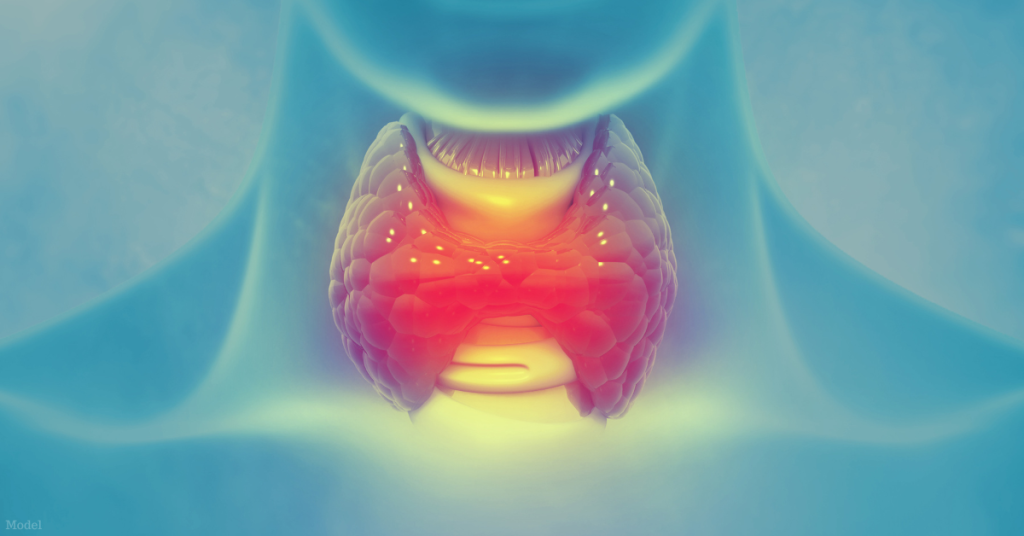
The thyroid is a powerhouse gland at the base of the neck that influences a wide range of the body’s functions, including metabolism, heart rate, cholesterol levels, and women’s menstrual cycles. A healthy thyroid helps you feel energetic and regulates your weight. Millions of Americans, however, have a condition called hypothyroidism without knowing it. It occurs when the gland doesn’t make enough thyroid hormone. Hypothyroidism is one of the conditions treated by a hormone specialist at our Louisiana clinics in Baton Rouge and Metairie.

Because hypothyroidism tends to develop gradually and symptoms such as weight gain and fatigue are exceptionally common, many people never have their thyroids checked, and the condition remains undiagnosed. According to the American Thyroid Association, about 60% of the 20 million Americans with hypothyroidism aren’t aware they have the condition.

Left untreated, hypothyroidism may lead to other health problems. Use the list below to see if you should have your thyroid checked. Keep in mind that anyone can develop hypothyroidism, but the disease is much more common in women, among people 60 and older, and in people with a family history of the condition.

Should You Have Your Thyroid Checked?

This list describes signs that could be associated with hypothyroidism:

  1. Unexplained weight changes : Hypothyroidism causes a person’s metabolism to slow dramatically, which can lead to increased weight even when you haven’t changed your eating or exercise habits. If you notice you’re losing weight unexpectedly, an overactive thyroid (hyperthyroidism) could be the cause.
  2. Feeling constantly fatigued : Fatigue or lack of energy can occur for a range of reasons. Persistent fatigue is often linked to an underlying health condition, which could be hypothyroidism or hyperthyroidism. Too little thyroxine saps the body of energy, while too much of the hormone can make it difficult for you to fall asleep at night, making you tired. Muscle weakness is also common with both conditions, so you may feel worn down.
  3. Irritability and feeling miserable : An underactive thyroid may affect the “feel good” chemical serotonin in your brain, resulting in feeling depressed or sluggish. Hyperthyroidism, on the other hand, can cause anxiousness, irritability, and problems sleeping.
  4. Feeling overheated or chilled but rarely comfortable : The thyroid helps moderate your body’s sensitivity to heat and cold. When too little thyroid hormone is produced, people have difficulty keeping warm. Hyperthyroidism is associated with increased sensitivity to heat. Weight gain or loss can also increase sensitivity to temperatures.
  5. Dry skin : Skin texture and appearance that changes drastically without explanation (such as dry winter weather) could be associated with a slowed metabolism. This could also cause brittle or weak nails.
  6. Thinning hair : If you’re noticing a significant amount of hair accumulating on a brush or clogging drains, both hypothyroidism and hyperthyroidism can cause hair to fall out. Dry and brittle hair could also be a sign of a thyroid issue.
  7. Bowel issues : When thyroid hormone production slows, so does your digestion, which could mean constipation. On the reverse side, an overactive thyroid gland can cause diarrhea.

Start With a Consultation

If you’re experiencing one or more of these symptoms, getting your thyroid checked with a blood test makes sense. Hormone replacement therapy at Rejuvime Medical can help treat hypothyroidism or hyperthyroidism. A hormone specialist at Rejuvime can discuss your symptoms and concerns. Schedule your initial consultation at one of our convenient locations in Louisiana or Mississippi, or call us at (225) 209-9923.

Get in Touch

Questions? Contact us today by phone or book an appointment online.

Questions? Call our office:

(225) 228-3128

GLP-1 therapy may impact cognitive function
By Rejuvime Medical February 26, 2026
GLP-1 medications may do more than support weight loss. Learn how GLP-1 therapy and metabolic health may play a role in protecting memory and cognitive function.
Oral GLP for weight loss
By Rejuvime Medical February 26, 2026
Do oral GLP-1 medications really work for weight loss? Learn how oral GLP-1s compare to injections, what results to expect, and how Rejuvime Medical personalizes GLP-1 therapy for sustainable fat loss.
Pellet therapy for hormone optimization
By Rejuvime Medical February 20, 2026
Considering hormone pellet therapy? Learn how bioidentical hormone pellets work, who qualifies, and whether this long-lasting HRT option fits your health goals.
Show More